Introduction:
In the world of interior design and woodworking, the use of veneer has been a game-changer for creating stunning and sustainable pieces. Traditionally, veneers were sought after for their natural wood grain patterns, but today, Dyed Veneer are taking the industry by storm. In this blog, we will delve into the captivating world of dyed veneer, exploring its benefits, applications, and why it’s becoming a favourite choice among designers and artisans alike.
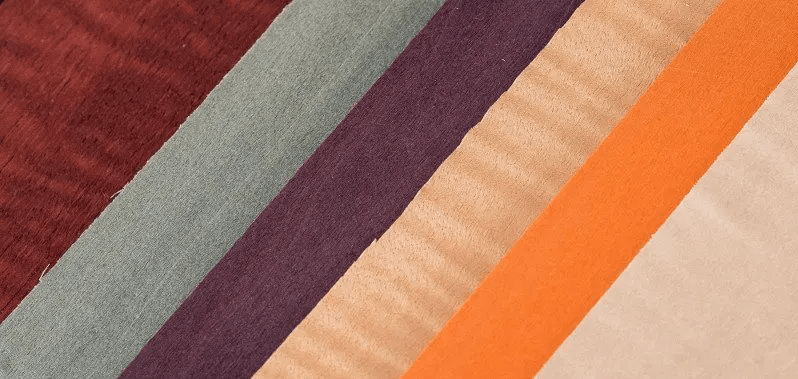
- What is Dyed Veneer?
Dyed veneer is derived from the same natural wood as traditional veneer, but with an added twist. The process involves carefully staining the veneer with a variety of vibrant pigments and dyes. This infusion of color elevates the wood’s aesthetic appeal, giving it a unique and visually striking appearance. The dye penetrates the top layer of the wood, creating a seamless, long-lasting hue that enhances its natural beauty.
- The Benefits of Dyed Veneer:-
1. A Broad Spectrum of Colors: Unlike natural wood, dyed veneer offers an endless array of colors to choose from, allowing designers to complement any project’s theme or style.
2. Consistent Color and Grain: Natural wood can have variations in color and grain, but dyed veneer ensures a consistent look, making it ideal for large projects that require uniformity.
3. Cost-Effective Aesthetic: Dyed veneer offers the luxurious appearance of rare and exotic wood species without the hefty price tag, making it a cost-effective alternative for high-end designs.
4. Sustainability: Since veneers use a thin layer of wood, they maximiser the use of precious timber, making it an environmentally responsible choice.
- Applications of Dyed Veneer:
1. Furniture Design: Dyed veneer breathes life into furniture pieces like cabinets, tables, and chairs, adding an artistic touch that traditional veneers cannot match.
2. Wall and Ceiling Panels: Create captivating interiors by incorporating dyed veneer on wall and ceiling panels, transforming ordinary spaces into visually stimulating environments.
3. Artistic Installations: Designers and artists are using dyed veneers to craft captivating sculptures and installations that explore the convergence of nature and art.
4. Cabinetry and Joinery: Dyed veneer is perfect for custom cabinetry and joinery projects, adding an element of creativity to traditional woodworking.
- Tips for Working with Dyed Veneer:
1. Choose High-Quality Veneer: Select veneer from reputable suppliers to ensure consistent colouring and durability.
2. Experiment with Grains: Combine dyed veneers with different wood grains to create unique and eye-catching patterns.
3. Proper Finishing: Use a clear protective finish to preserve the color and enhance the veneer’s natural shine.
4. Careful Handling: Since dyed veneer can be more delicate than natural veneer, handle it with care during installation to avoid damage.
Conclusion:
Dyed veneer opens up a world of possibilities for designers and artisans, infusing their creations with vivid colors and artistic flair. With its sustainable nature and cost-effective appeal, dyed veneer has rightfully earned its place as a preferred choice for those seeking to elevate their designs with a touch of nature’s vibrant palette. So, whether you’re a woodworking enthusiast or an interior design maven, consider adding the allure of dyed veneer to your next project for an unparalleled visual impact.


Leave a Reply